
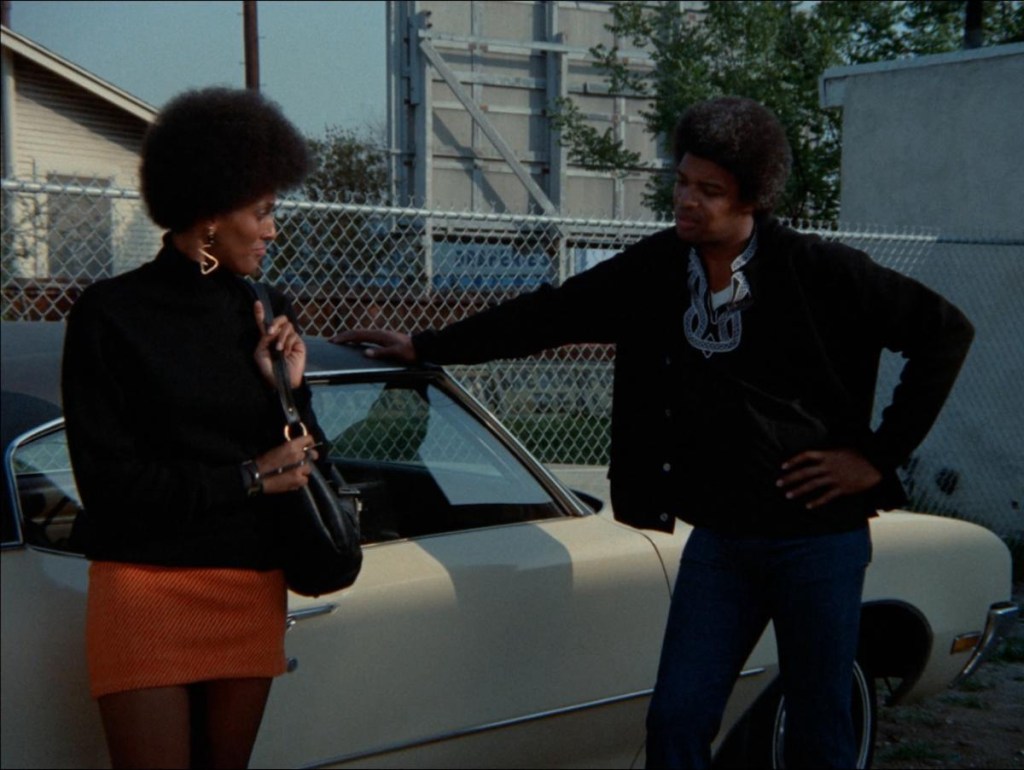
A long-overlooked piece of American independent cinema is finally receiving the recognition it deserves.
Originally premiering in 1971, Black Chariot has been restored in stunning 4K, reintroducing audiences to filmmaker Robert L. Goodwin’s groundbreaking vision and his efforts to challenge Hollywood’s barriers for Black filmmakers.
Before creating Black Chariot, Goodwin (1927–1983) made history as one of television’s first Black writers, earning credits on iconic series including Bonanza, Love, American Style, and All in the Family. At a time when Black directors had little opportunity within the studio system, Goodwin conceived Black Chariot as a bold statement intended to break through Hollywood’s racial barriers.
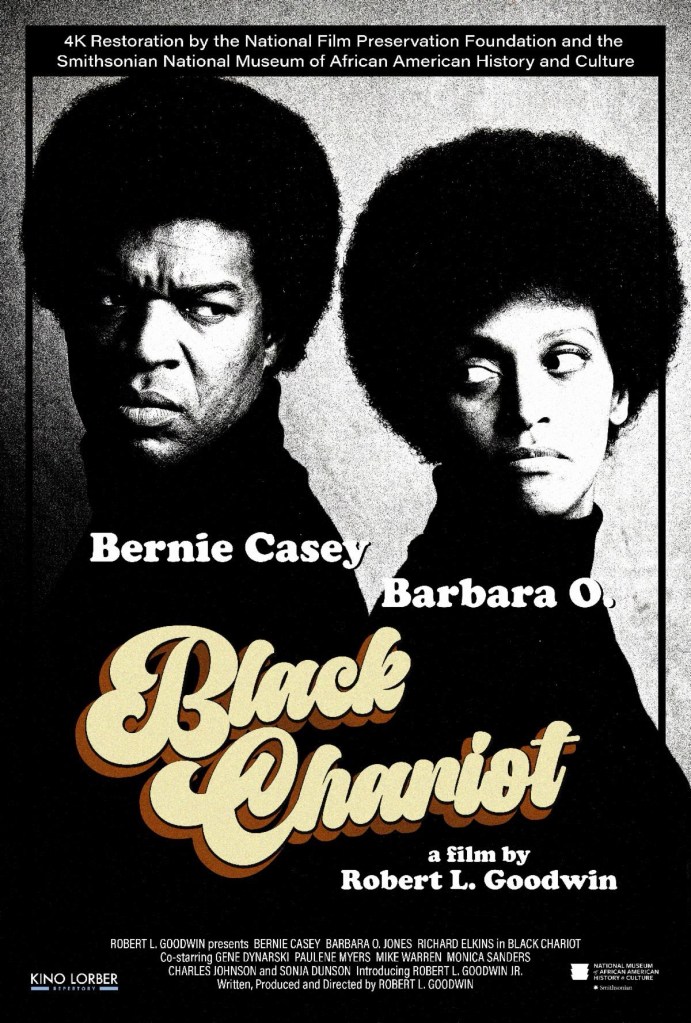
Without the backing of a major studio or commercial distributor, Goodwin independently financed the project through an early form of crowdfunding, filmed on the streets of Los Angeles using a guerrilla-style approach, and personally secured a theater for the film’s premiere. His unconventional production methods mirrored the film’s innovative storytelling, blending flashbacks with both 35mm film and video to create a style that stood apart from traditional Hollywood filmmaking.
The film follows a man known only as “the drifter,” portrayed by screen legend Bernie Casey in his first starring role. After a tense meeting among members of an underground Black Power organization erupts into a dramatic chase, the story moves between past and present as the drifter experiences a profound political and personal awakening. The film also features an early performance by Barbara O. Jones, who would later become a prominent figure in the L.A. Rebellion movement.
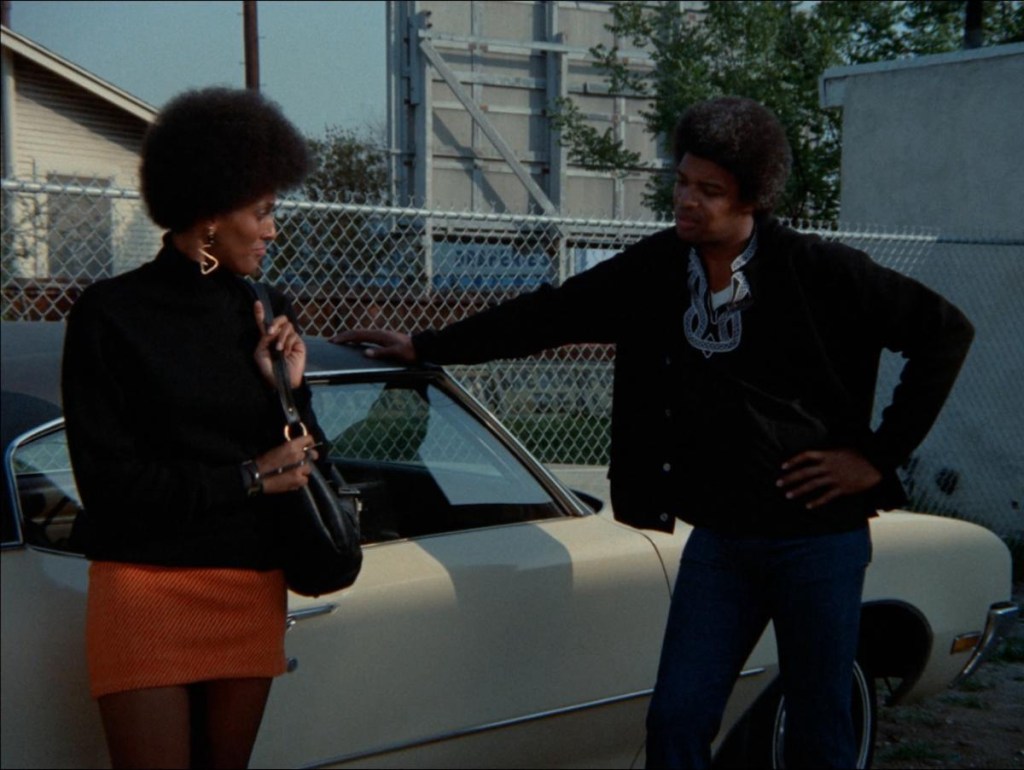
Although Black Chariot premiered at the Santa Monica Civic Auditorium in 1971, it remained largely unseen for decades, becoming one of American independent cinema’s lost films.
Now, thanks to a new 4K restoration by the Smithsonian National Museum of African American History & Culture (NMAAHC), with funding from the National Film Preservation Foundation and additional support from the Earl W. and Amanda Stafford Center for African American Media Arts, audiences have the opportunity to rediscover a pioneering work that challenged both the business and artistic conventions of its era.
More than five decades after its debut, Black Chariot stands as an important reminder of the independent filmmakers who pushed for greater representation in Hollywood and helped shape the future of Black cinema.



Leave a Reply